
If your sofa is looking tired, your favourite chair has darkened on the arms, or your dining seats have picked up that “used” look, you’re not alone. Upholstery takes a daily battering in busy homes across Wells and Shepton Mallet — and because it’s right under your nose, it’s easy to stop noticing until it suddenly feels past it.
The good news: most upholstery can be professionally cleaned and refreshed without drama, without harsh smells, and without soaking your furniture. The key is doing it safely, with the right method for the fabric.
Why upholstery gets grubby (even when your home is clean)
Upholstery collects a mix of things that don’t always show up as obvious stains:
- Body oils and skin contact (arm rests, head rests, cushions)
- Dust and fine grit that works its way into the fibres
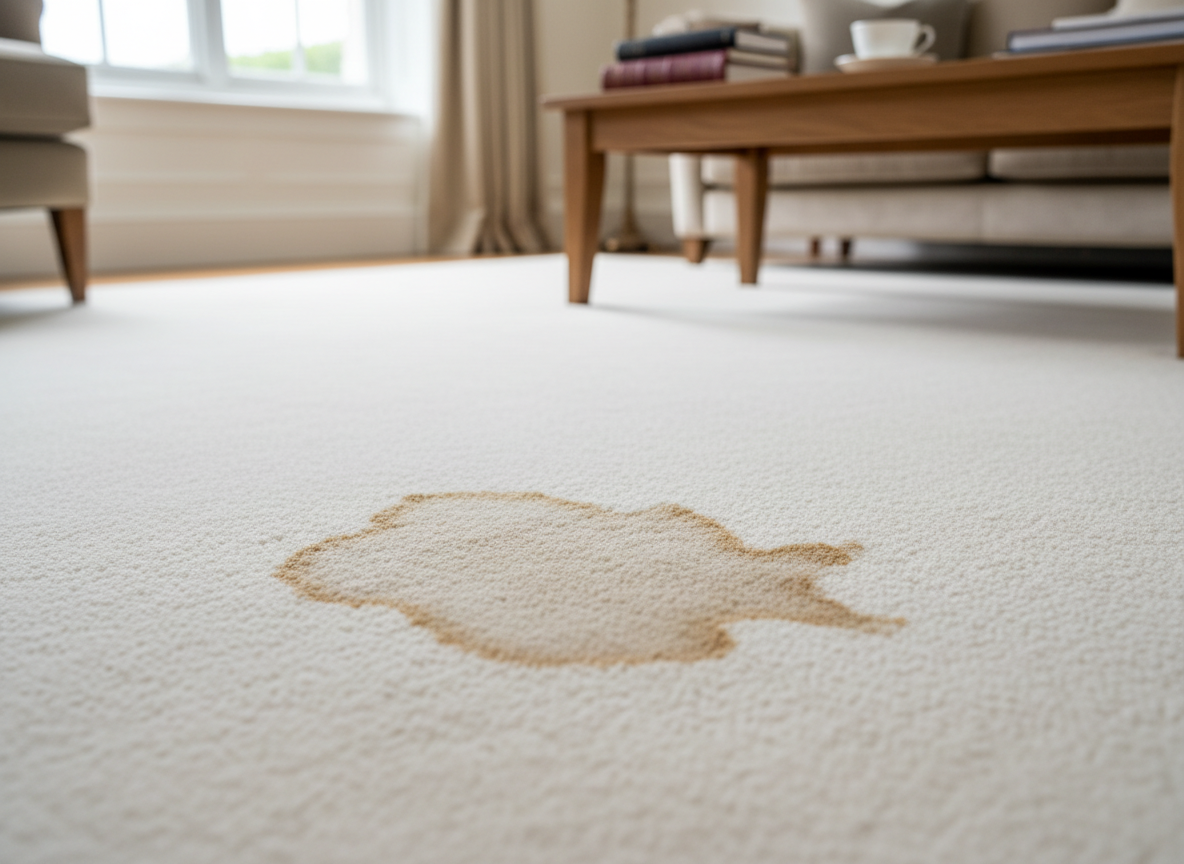
- Food and drink splashes that dry clear, then attract dirt
- Pet contact and everyday odours
- General “traffic” from sitting, lounging, and kids climbing
Over time, this builds up and the fabric starts to look flat, dull, or patchy — especially on lighter colours.
What professional upholstery cleaning actually does
A proper clean isn’t just a quick wipe over the surface. Done correctly, it’s a controlled process designed to:
- Break down oily soiling safely
- Lift embedded dirt from the fabric pile and seams
- Reduce odours and freshen the feel
- Improve appearance and evenness of colour
- Help fabrics stay cleaner for longer (because residue is removed)
In short: it’s a reset — not a repaint.
Our upholstery cleaning process (simple, safe, and thorough)
Here’s what a professional visit typically looks like in Wells and Shepton Mallet.
1) Fabric check and pre-inspection
We start by identifying the fabric type and condition. This matters because different materials react differently to moisture, heat, and cleaning chemistry.
We’ll also look for:
- Wear areas vs. true staining
- Colour stability (whether dyes could move)
- Previous DIY attempts or residue
- Loose seams, damage, or delicate sections
2) Targeted pre-treatment
We apply the right pre-treatment for the job — enough to do the work, not so strong it risks the fabric.
This step is where most results are won. It’s also where “one-spray-fits-all” cleaning goes wrong.
3) Agitation (gentle but effective)
We work the solution into the fabric to release soil. This is controlled and fabric-appropriate — not aggressive scrubbing.
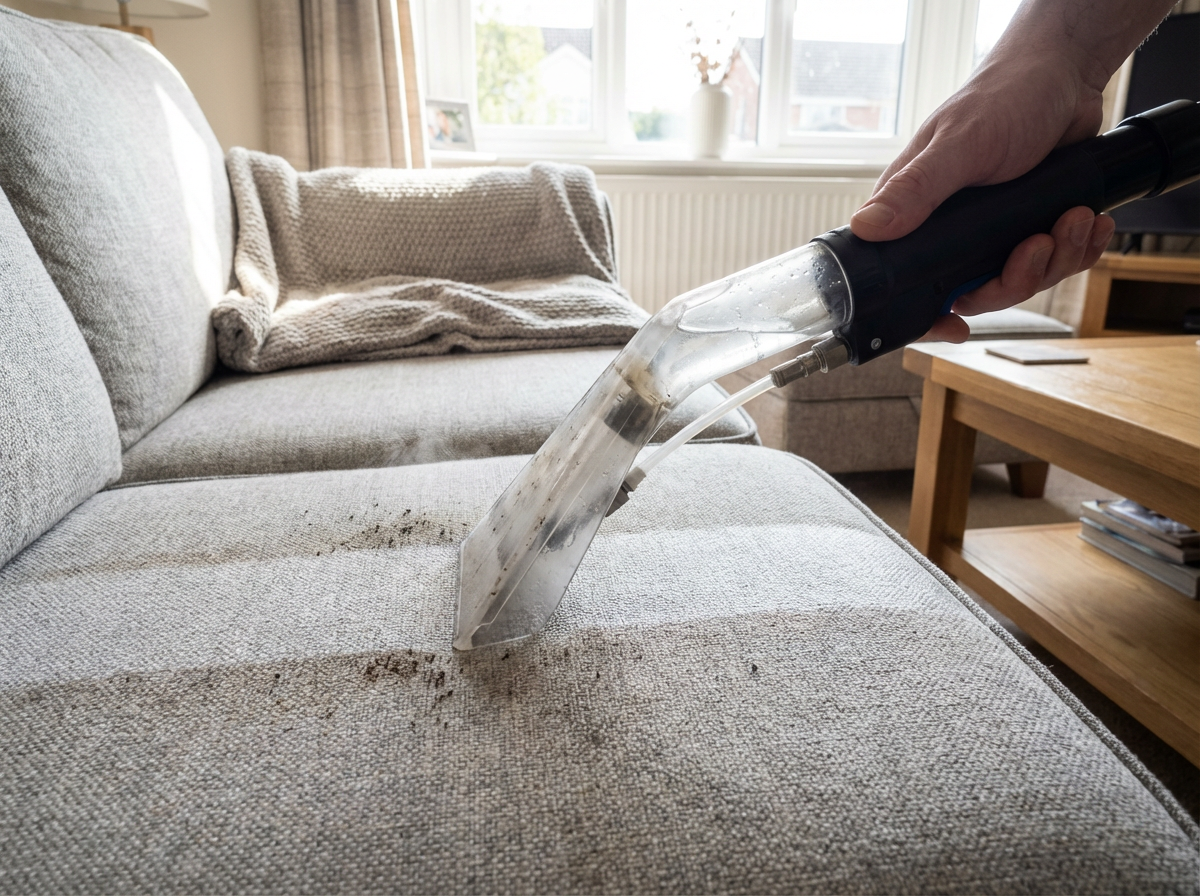
4) Rinse and extraction
We rinse and extract to remove the loosened dirt and cleaning residues. The goal is a clean finish that feels fresh, not sticky.
5) Detail work and finishing checks
We’ll do edges, seams, piping, and high-contact zones properly. Then we check the overall finish and talk you through drying and aftercare.
How long does upholstery take to dry?
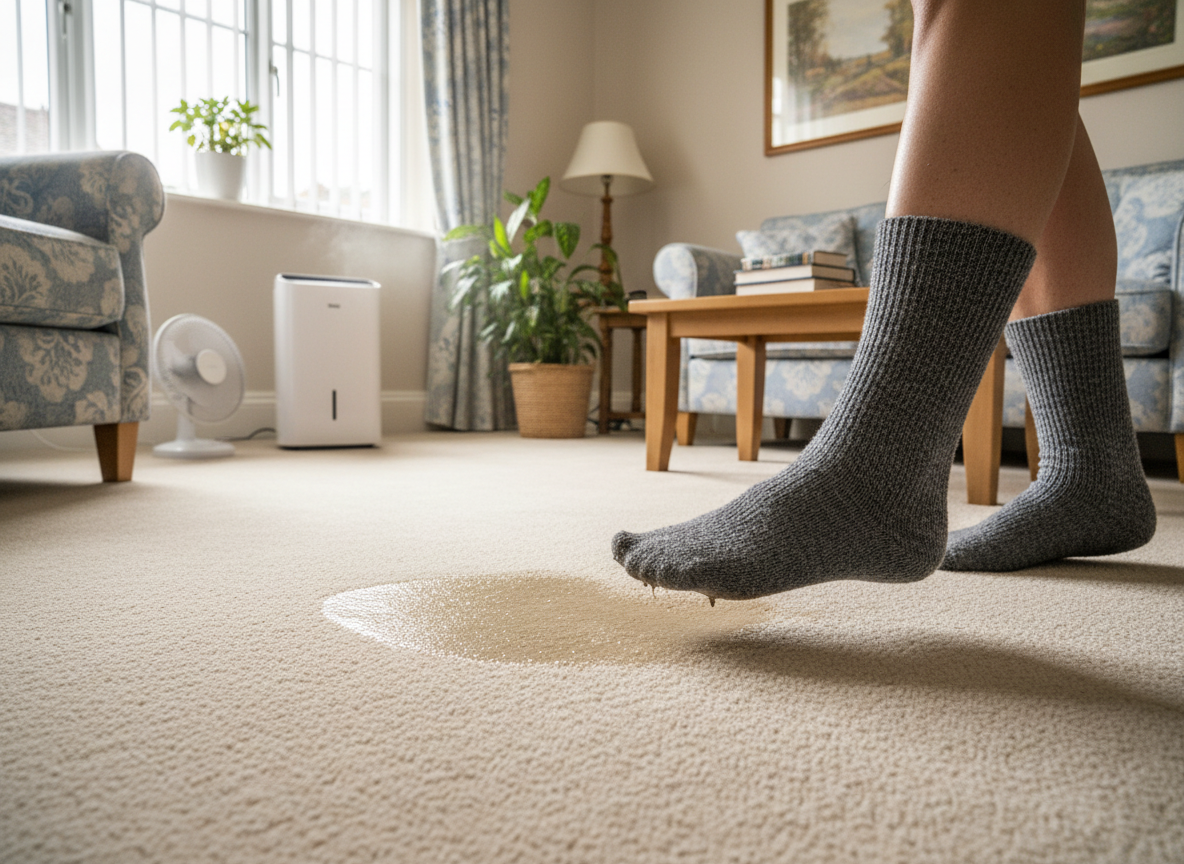
Drying time depends on fabric type, how heavily soiled it was, airflow, and room temperature.
A few practical tips to speed things up:
- Keep the room warm (steady heat helps)
- Increase airflow (open a window a crack if weather allows)
- Use a fan if you have one
- Avoid sitting on it until it’s fully dry
We’ll always aim for a controlled clean — effective, but not over-wet.
Common upholstery issues we see in Somerset homes
Arm rest darkening
This is usually a mix of oils and embedded soil. It often improves dramatically with the right pre-treatment and rinse.
Cushions that look “patchy”
Patchiness can come from uneven soiling, wear, or previous spot cleaning. We’ll set expectations honestly and clean for the best achievable improvement.
“It doesn’t smell dirty, but it doesn’t smell fresh”
Soft furnishings hold onto everyday odours. A proper rinse/extraction clean can make a big difference to how the room feels.
DIY upholstery cleaning: what’s safe, and what to avoid
If you’re going to do anything at home, keep it simple:
- Blot spills quickly (don’t rub)
- Use minimal moisture
- Test anything you apply in an inconspicuous area
Avoid:
- Over-wetting (can cause watermarking, shrinkage, or slow drying)
- Household detergents that leave residue and attract dirt
- Strong stain removers used “full strength”
- Scrubbing that damages the fabric pile
If you’re unsure, it’s usually cheaper to stop early than to fix a DIY problem later.
Why local experience matters (Wells & Shepton Mallet)
Homes in and around Wells and Shepton Mallet often have a mix of modern upholstery and more delicate fabrics. The right approach is rarely “more power.” It’s method, control, and knowing what the fabric will tolerate.
That’s why we focus on safe, repeatable results — and clear communication about what’s realistic.
When should you book upholstery cleaning?
A few good times to get it done:
- Before guests or a family event
- After winter (when homes are closed up more)
- When you notice dullness or darkening on contact areas
- After a spill that’s left a mark or a smell
- As part of a regular home refresh
FAQs
Will all stains come out?
Some will, some won’t. We’ll always aim for the best safe result. Certain dyes, old stains, and wear-related discolouration can be permanent — but many marks improve more than people expect.
Is it safe for kids and pets?
Yes — professional cleaning is designed to be safe when done correctly. The key is using the right products, rinsing properly, and ensuring good drying.
Do I need to move furniture first?
If you can clear small items and give us access to the upholstery, that’s perfect. We’ll guide you if anything needs shifting.
Ready to refresh your upholstery in Wells or Shepton Mallet?
If your sofa, chair, or dining seats need a proper reset, we can help. We’ll assess the fabric, choose the safest method, and clean thoroughly for a fresh, even finish.
If you’d like, tell us what you’ve got (sofa type, fabric if known, and any problem areas) and we’ll advise the best next step.